Kenya: East Africa’s Digital Payments Leader Has a Cross-Border Opportunity
Kenya's digital payment economy is thriving, but cross-border transactions remain complex. Explore how tourism, regional trade and remittances are shaping East Africa's next financial opportunity.
NOV 20 - 5 MIN READ

In Nairobi, paying for coffee, settling a bill or sending money to a relative often takes seconds. Mobile money is not a novelty in Kenya. It is part of everyday life.
Cross a border, however, and the experience can change. A Kenyan importer paying a supplier in Uganda may need to navigate different currencies, banking relationships and settlement arrangements. A travel platform collecting dollars from overseas guests must still pay drivers and hotels in shillings. A remittance company promising instant delivery must coordinate several financial systems behind a single transaction.
Kenya has demonstrated what digital payments can achieve domestically. Its next opportunity is making that connectivity work across East Africa and beyond.
Trade: A Regional Gateway With Fragmented Financial Rails
Kenya is a commercial gateway to East Africa. Goods arriving through the Port of Mombasa travel into Uganda, Rwanda, South Sudan and other inland markets, while Kenyan manufacturers and distributors serve customers across the region.
The scale is significant. According to the Kenya National Bureau of Statistics, the East African Community accounted for 77.6% of Kenya’s exports to Africa in 2025. Exports to Uganda, its largest African export destination, reached KSh 162.3 billion, up 28.8% from 2024.
But a busy trade corridor does not automatically mean an efficient payment corridor. Businesses often need to manage currency conversions, separate banking partners, settlement visibility and reconciliation across markets. For smaller importers and exporters, delays can tie up working capital and complicate supplier relationships.
The question is no longer whether Kenya can trade regionally. It is whether the financial infrastructure supporting that trade can become as connected as the commercial relationships themselves.
Tourism: International Revenue, Local Payment Habits
Tourism makes the same challenge visible from another direction.
Kenya recorded approximately 2.55 million international visitor arrivals in 2025, a 6.2% increase, according to KNBS. Travellers arrive for safaris, conferences, coastal holidays and visits to family and friends.
Yet payment habits do not travel as easily as people.
An international visitor may arrive with a card, while a local driver, guide or smaller hospitality business prefers mobile money. A booking platform may collect in foreign currency but need to distribute payments to multiple Kenyan suppliers.
For payment providers serving tourism businesses, the opportunity goes beyond accepting a foreign card. It includes reliable local payouts, foreign-exchange handling and reconciliation between the customer's payment and the supplier's receipt.
More visitors create demand. Better financial connectivity helps tourism businesses capture and distribute the value.
Remittances: The Last Mile Is Only Half the Story
Kenya’s diaspora is another major source of cross-border financial activity.
Formal remittances reached approximately US$5.04 billion in 2025, according to the Central Bank of Kenya. These transfers support household spending, school fees, healthcare, housing and investment.
Kenya's mobile-money ecosystem makes receiving funds convenient for many households. But the recipient's experience tells only part of the story.
Behind a seemingly instant transfer, a remittance provider may need international collection capabilities, foreign-exchange execution, liquidity in Kenya and access to domestic payout rails. Each additional arrangement can increase operational complexity and cost.
That creates an opportunity for infrastructure built for financial institutions rather than another consumer-facing transfer app.
The Next Phase: From National Success to Network Connectivity
Regional policymakers recognise the problem. In May 2025, the East African Community approved a Cross-Border Payment System Masterplan to advance interoperability, integration and more efficient regional payments.
The ambition is important, but the practical challenge remains: different countries have different payment methods, currencies, regulations and operating requirements. No single domestic success solves those differences automatically.
This is where Passpoint’s network approach becomes relevant.
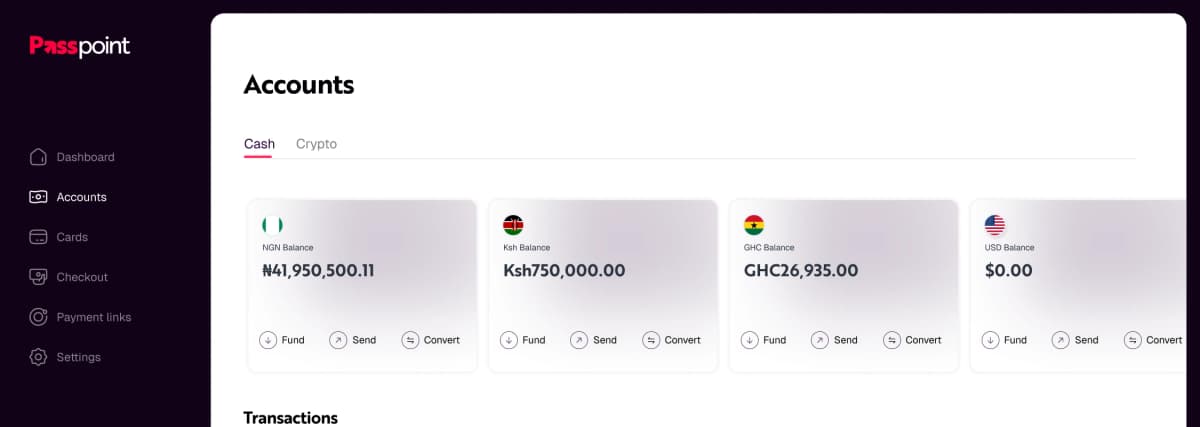
Passpoint is building rail-agnostic payment infrastructure designed to connect payment service providers, neobanks and remittance companies to supported payment systems across Africa and G20 markets through a single programmable connection. Its focus spans collections, payouts and the financial capabilities required to operate across markets.
Kenya does not need another lesson in digital adoption. It needs stronger connections between the systems its people already use and the markets its economy increasingly serves.
The next breakthrough is not simply moving money faster inside Kenya. It is making money move more seamlessly between Kenya and the world. Read more articles