Trade, Tourism and Remittances: The Three Engines of Africa’s Cross-Border Payments
Trade, tourism and remittances are driving Africa’s economy, but fragmented payment systems remain a barrier. Discover why connected financial infrastructure is critical to Africa’s growth.
NOV 19 - 5 MIN READ

Trade, Tourism and Remittances: The Three Engines of Africa’s Cross-Border Payments
Africa is becoming more connected through commerce, migration and travel. Yet the financial infrastructure supporting these activities has not kept pace with the movement of people, goods and capital.
The continent's domestic payments landscape has evolved significantly. Nigeria has established a sophisticated instant bank-transfer ecosystem, Kenya has built an economy around mobile money, and Ghana, South Africa and other markets have developed increasingly capable digital payment systems.
According to AfricaNenda (2025), 36 instant payment systems operating across 31 African countries processed approximately 64 billion transactions worth nearly US$2 trillion in 2024.
Yet much of this progress remains concentrated within national borders.
A business in Nigeria may pay a local supplier in seconds but face additional banking relationships, currency conversion and settlement delays when paying a supplier in Ghana or Kenya. A tourist may arrive in a country where digital payments are widespread but lack convenient access to the local payment methods. A remittance provider may promise instant delivery while managing complex liquidity, foreign exchange and settlement arrangements behind the scenes.
Africa's challenge is no longer simply digitising payments. It is connecting the payment systems that already exist.
Three economic activities make this challenge particularly urgent: tourism, remittances and business-to-business trade.
Tourism: More Visitors, Different Payment Systems
Africa's tourism economy is expanding. According to UN Tourism (2026), the continent recorded approximately 81 million international tourist arrivals in 2025, an 8% increase from the previous year. North Africa recorded particularly strong growth, with Egypt, Morocco and Seychelles among the destinations reporting double-digit increases.
For visitors, however, the experience of making payments can change considerably from one country to another.
A traveller moving between Lagos, Nairobi and Accra encounters three different payment environments. Bank transfers are central to everyday payments in Nigeria. Mobile money dominates many transactions in Kenya, while Ghana combines mobile money with bank-based payment systems.
Although international cards are accepted at many hotels and established businesses, smaller merchants frequently depend on domestic payment methods that foreign visitors cannot always access conveniently.
The challenge extends beyond the traveller. Hotels, travel agencies, booking platforms and tour operators must collect payments from international customers, convert foreign currencies, pay local suppliers and reconcile transactions across payment channels.
A tourism operator may earn revenue in dollars or euros while paying employees, transport providers and vendors in local currency. Exchange-rate differences, processing costs and settlement timing can directly affect operating margins.
As African tourism expands, financial institutions and payment service providers supporting the industry will need infrastructure that makes international collections and local payouts work together.
The opportunity is not simply to help tourists pay. It is to make tourism revenue move efficiently across borders and into local economies.
Remittances: A Major Financial Lifeline Still Burdened by Cost
Remittances represent one of Africa's most important sources of external finance. The United Nations Office of the Special Adviser on Africa (2026) estimates that remittance inflows reached nearly US$92 billion in 2024, exceeding foreign direct investment and official development assistance in several African countries.
These flows connect African households and businesses to diaspora communities across Europe, North America, the Middle East and other parts of Africa.
They are also essential to everyday economic activity. Remittances support household consumption, education, healthcare, housing and small-business investment. Despite their importance, sending money to Africa remains comparatively expensive.
The World Bank's Remittance Prices Worldwide report recorded an average cost of 8.46% to send US$200 to Sub-Saharan Africa in the third quarter of 2025, compared with a global average of 6.36% (World Bank, 2025).
For a family receiving regular financial support, these costs represent money that never reaches its intended destination.
Digital remittance platforms have improved access and, in many corridors, reduced delivery times. Nevertheless, the infrastructure beneath those services remains complex.
Providers must navigate different banking systems, foreign-exchange markets, liquidity requirements, compliance obligations and local payout networks.
A transfer that appears instantaneous to a customer may depend on prefunded accounts and separate settlement arrangements operating behind the scenes.
This creates a fundamental distinction between the speed experienced by the customer and the efficiency of the infrastructure delivering the payment.
For remittance companies, neobanks and financial institutions, solving this challenge requires more than an intuitive consumer application.
It requires dependable access to local payment rails, transparent foreign-exchange execution, efficient liquidity management and predictable settlement.
The next stage of remittance innovation will depend as much on improving the infrastructure behind transactions as on improving the applications through which customers initiate them.
B2B Trade: Africa's Commercial Ambition Meets Fragmented Financial Infrastructure
Africa's trade economy presents an even larger and more structurally complex payments opportunity.
According to Afreximbank's African Trade Report 2026, African merchandise trade expanded by 6.1% to approximately US$1.5 trillion in 2025.
Intra-African trade increased by 5.47% to US$213.8 billion, from US$202.7 billion in 2024 (Afreximbank, 2026).
These figures reflect growing commercial exchanges between African economies, even as the continent continues to pursue deeper integration through the African Continental Free Trade Area (AfCFTA).
However, commercial integration requires financial integration. Consider a Nigerian manufacturer importing raw materials from Côte d'Ivoire, a Kenyan business paying suppliers in South Africa, or a Ghanaian distributor purchasing equipment from China.
Each transaction involves different currencies, banking relationships, settlement systems and regulatory requirements.
In some corridors, businesses must route payments through international correspondent banks or intermediary currencies, even when both counterparties are located in Africa.
This can introduce additional foreign-exchange costs, reconciliation challenges and uncertainty about when funds will become available.
The effects are particularly significant for smaller businesses. Large corporations may have established banking relationships, treasury teams and access to negotiated foreign-exchange arrangements. Smaller importers, exporters and digital businesses often operate without comparable financial infrastructure.
For these companies, delayed supplier payments can disrupt inventory, weaken commercial relationships and constrain working capital.
The AfCFTA creates an important framework for expanding trade, but reducing tariffs and opening markets addresses only part of the challenge.
Businesses must also be able to move money between those markets efficiently.
That requires payment infrastructure capable of supporting local-currency collections and payouts, cross-border transfers, foreign-exchange conversion, transaction monitoring and settlement visibility.
A connected African trading market cannot depend on disconnected financial infrastructure.
The Infrastructure Connecting Africa's Three Payment Engines
Tourism, remittances and B2B commerce generate different transaction patterns, but they expose a common structural problem.
Money must move between payment environments that were largely developed around domestic markets.
Tourism needs convenient international acceptance and local settlement. Remittances require affordable and dependable corridors. B2B trade demands predictable payment execution, currency conversion and liquidity management.
The infrastructure supporting these activities must therefore be capable of connecting domestic payment systems without forcing financial institutions and businesses to rebuild their integrations for every country.
This is the opportunity Passpoint is building towards.
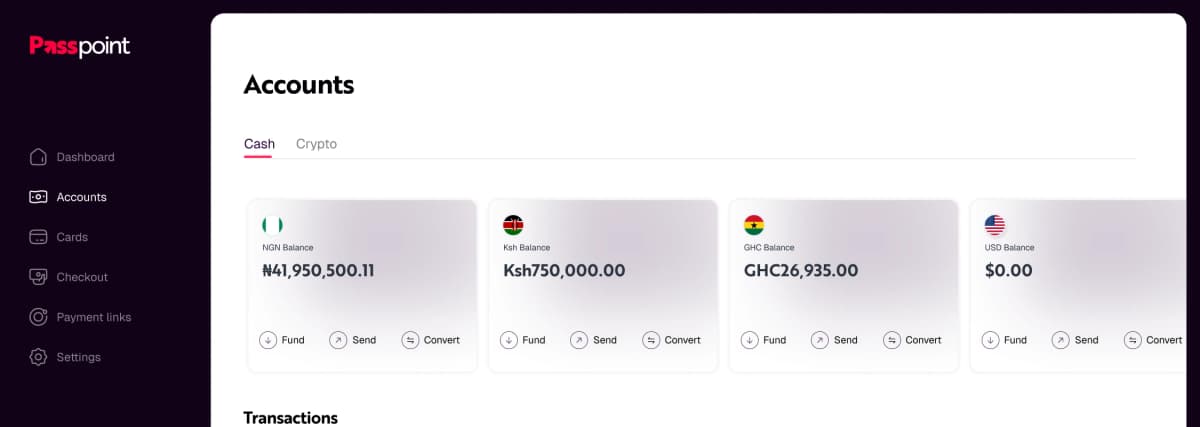
As a payment infrastructure network connecting Africa with G20 markets, Passpoint provides payment service providers, remittance companies, neobanks and other financial institutions with a programmable connection to supported local payment methods and cross-border financial services.
The objective is to reduce the complexity of operating across different payment environments while supporting the routing, compliance, currency and settlement requirements of cross-border transactions.
Africa does not need to abandon the payment systems that have made domestic transactions faster and more accessible.
It needs those systems to work together, and to connect more effectively with the global financial economy.
Because the next stage of Africa's economic integration will not be determined only by how many goods are traded, how many visitors arrive or how much money its diaspora sends home.
It will also depend on how efficiently money can move between the markets creating that value. Read more articles